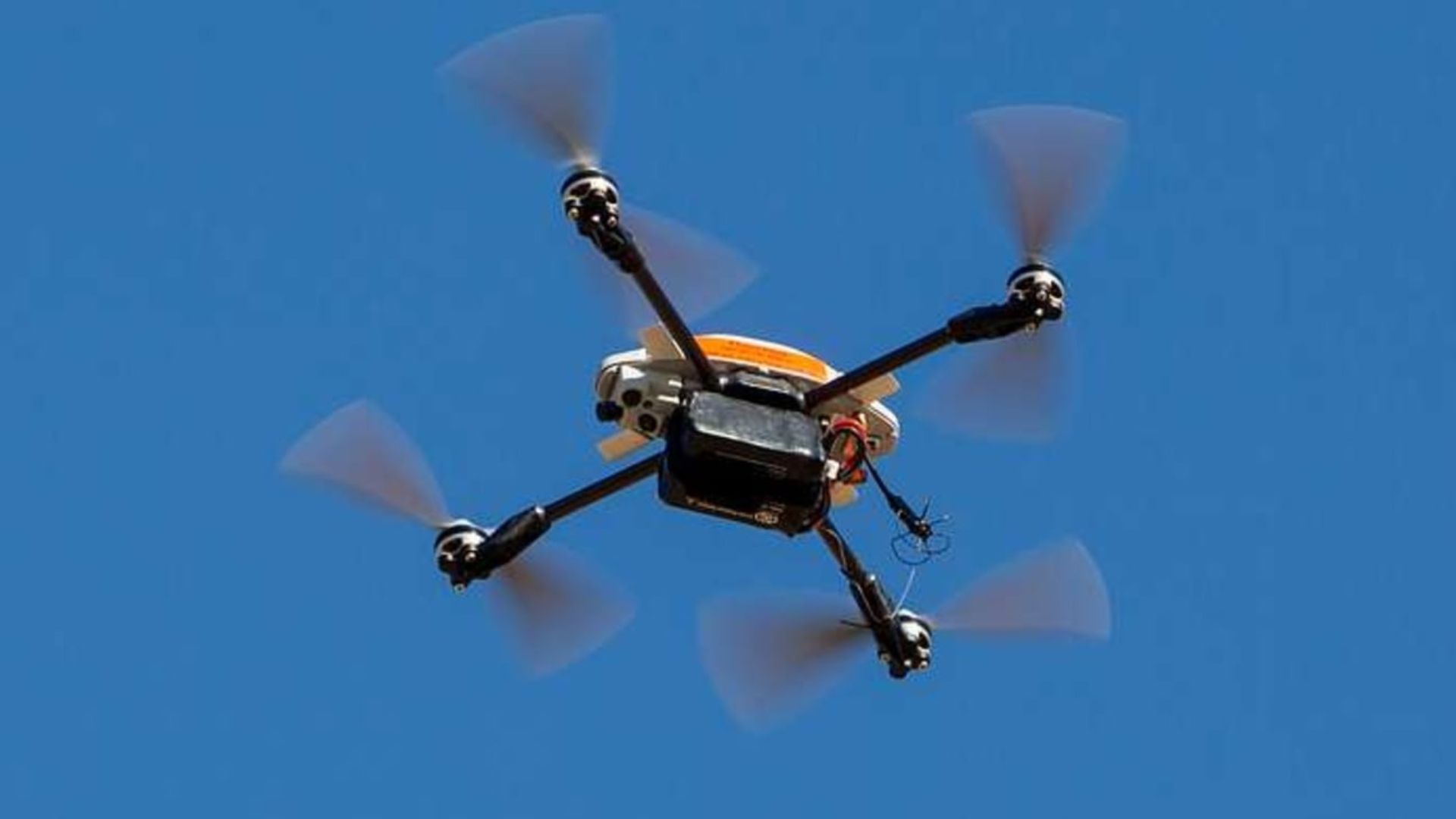
It’s impressive because it’s totally passive - radar can locate incoming drones, but also lets the drones locate the radar antenna. This new technique finds the drones without emitting any kind of telltale signal. So the drones don’t know they’ve been spotted, or even that anyone’s looking.
So you could hook this system up to a vehicle, like a tank or a troop carrier, and integrate it with a turret, and now you have drone protection. Just look at the havoc Ukrainian drone wrecked on Russian tanks and you’ll see why this could be a big deal.
Blind and deaf scientists develop amazing new way to “touch” a drone from 50 feet away using vibrations travelling through the air. “It’s like we’re sensing it from a distance”.
New technique could potentially be developed further to allow people to communicate beyond their reach, potentially even from different (neighbouring) rooms in a house!


Why does this not sound impressive at all.
Because you haven’t tried it.
It’s impressive because it’s totally passive - radar can locate incoming drones, but also lets the drones locate the radar antenna. This new technique finds the drones without emitting any kind of telltale signal. So the drones don’t know they’ve been spotted, or even that anyone’s looking.
So you could hook this system up to a vehicle, like a tank or a troop carrier, and integrate it with a turret, and now you have drone protection. Just look at the havoc Ukrainian drone wrecked on Russian tanks and you’ll see why this could be a big deal.
Or just ERA that goes off when a drone is detected before it hits.
From… 15 meters away.
You just need a handful of CIWS /s
Blind and deaf scientists develop amazing new way to “touch” a drone from 50 feet away using vibrations travelling through the air. “It’s like we’re sensing it from a distance”.
New technique could potentially be developed further to allow people to communicate beyond their reach, potentially even from different (neighbouring) rooms in a house!