

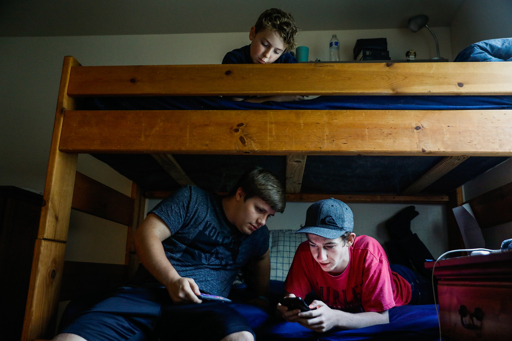
For more than two decades, my research group has been studying and supporting young people with disabilities, as they create and use digital technologies.
In one study of Autcraft, a Minecraft server built for autistic kids, a 13-year-old boy described a rich social life there that included friends he trusted, builds he led, other kids he comforted when they were struggling.
And yet, when describing this rich social life, he asked, “Will I always be not social?”
This quote has stayed with me. This sweet, social child was measuring his life against a definition of “social” that was not built for him. And the way his parents, schoolteachers and other well-meaning adults were using that definition made him feel terrible about his own experiences and the things that made him happy.
…
We should hold platforms accountable for what they design and encourage them to make better experiences for everyone, rather than banning some people while creating a surveillance infrastructure that risks harming us all.
California has a real choice this year: pass bans that push youth further from spaces they feel safe or start setting standards for platforms so those spaces actually are safe. The 13-year-old who wondered if he’d always be “not social” was asking us to see his social life, not to take it away.
Saving this thanks so much